
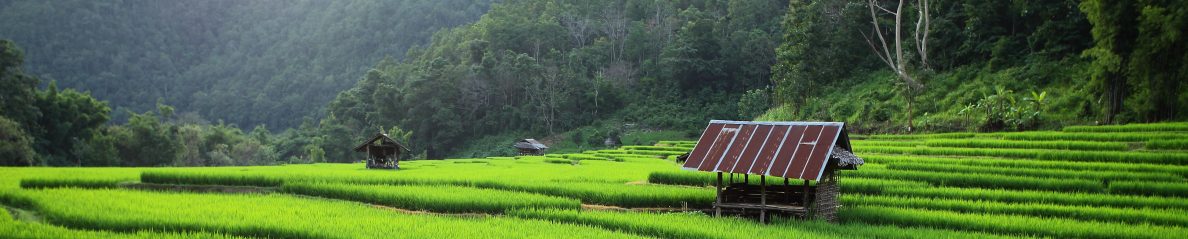
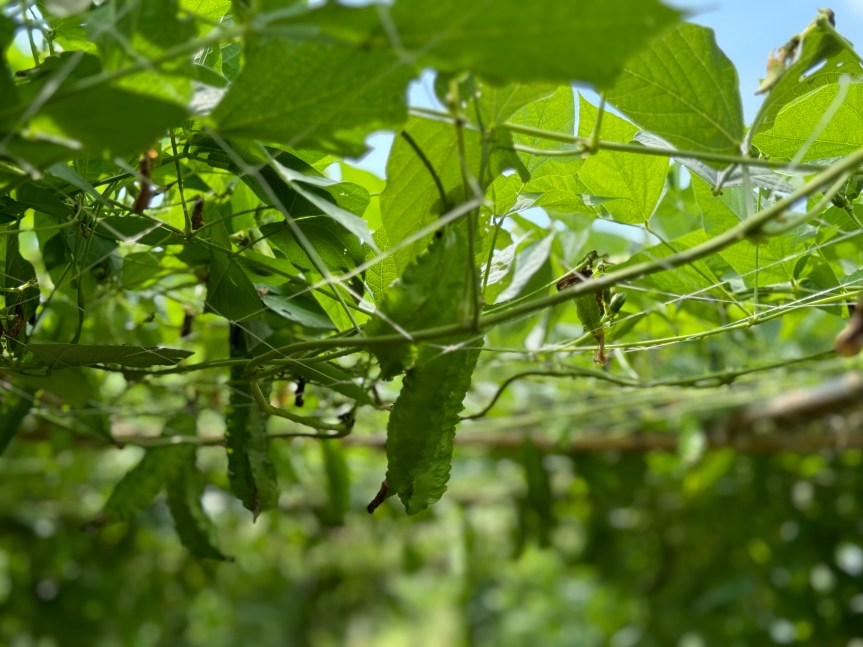
Winged bean is not only a high-protein crop, but also a natural solution for a low-carbon food system. By using its biological ability to "make its own fertiliser," it reduces harmful greenhouse gases and restores soil health. In our 8-hectare sandbox, we demonstrate that this simple plant can provide high-quality data for climate finance.
Tag: climate impact
Floodplains Should Not Be Invisible Assets: Policy Recommendations for Equitable Climate Resilience in the Lower Chao Phraya River Basin
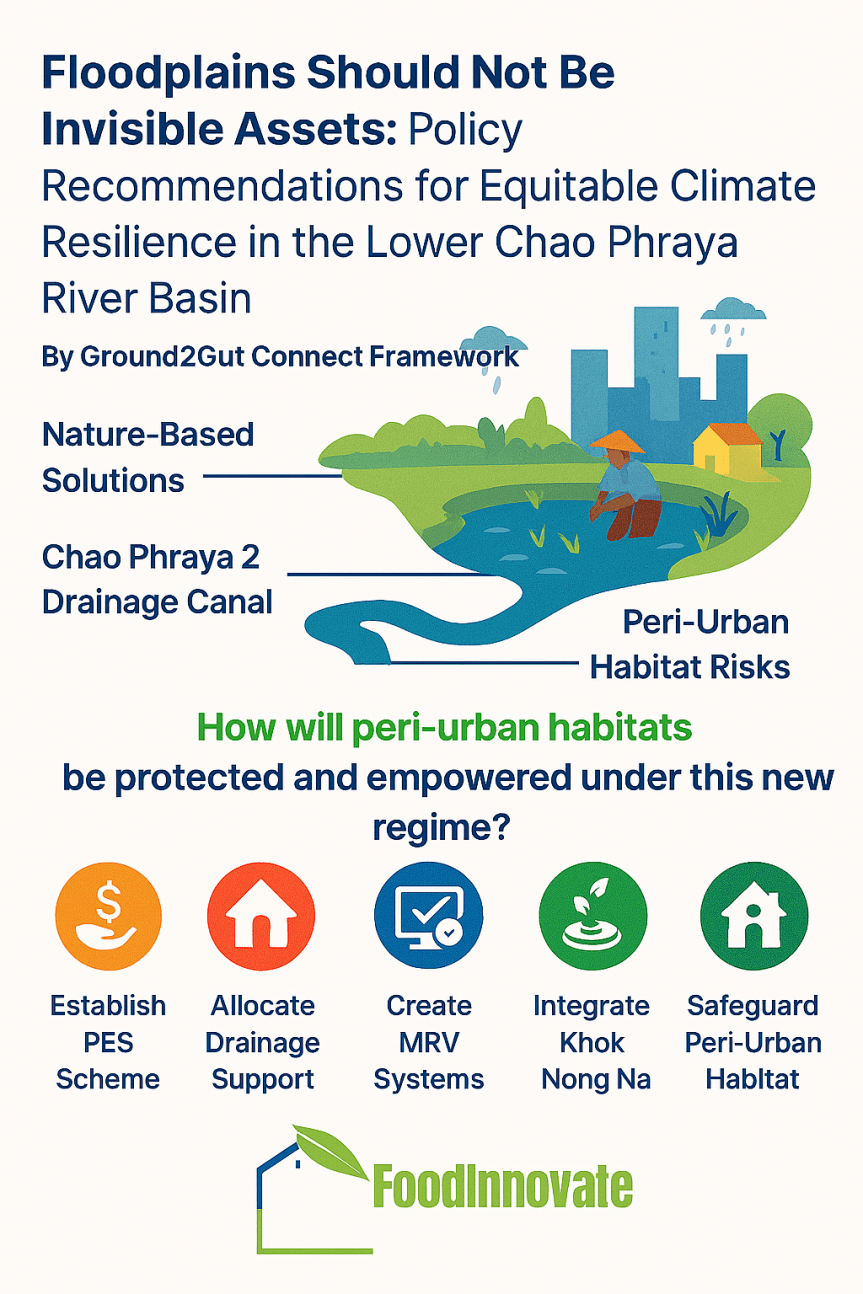
Floodplains in Thailand’s Lower Chao Phraya River Basin play a vital role in urban flood protection, yet smallholder farmers bear the hidden costs. As the Chao Phraya 2 canal nears completion, policy reform is urgent—integrating Payment for Ecosystem Services (PES), agroecology, and peri-urban safeguards to ensure resilience is shared, not shifted.
Ayutthaya’s Food Story: More Than Just Rice
Ayutthaya’s food story reveals deep tensions between tradition, climate resilience, and urban expansion. Ground2Gut and BTLLAgroforestry respond with community-rooted innovation, supported by Open Forest Protocol on the MRV carbon platform to justify FoodInnovate's and the community's efforts. Beyond rice, this region embodies the global challenge: designing food systems that honour history, adapt to change, and sustain both people and place.
Summarising soil and water restoration Phase 1 (2016-2019) at BTLLAgroforestry, Ayutthaya, Thailand

From acidic soil and uncertain rains, BTLLAgroforestry began restoring land in Ayutthaya through syntropic principles and weekend resilience. Phase 1 focused on soil cover, water retention, and ecosystem healing. With 4 hectares now thriving, the journey continues—bridging science, community, and care in the face of climate uncertainty.
The journey begins @BTLLAgroforestry – from soil to human health

In 2016, BTLLAgroforestry began as a humble experiment in Ayutthaya—restoring soil, water, and dignity. From bioremediation to climate-resilient farming, we cultivated change from the ground up. Today, it’s more than a farm. It’s a living lab where ecology meets community, and food begins with care, not chemicals.
 À Table! e-Magazine นิตยสารออนไลน์ ครัวของคุณ