
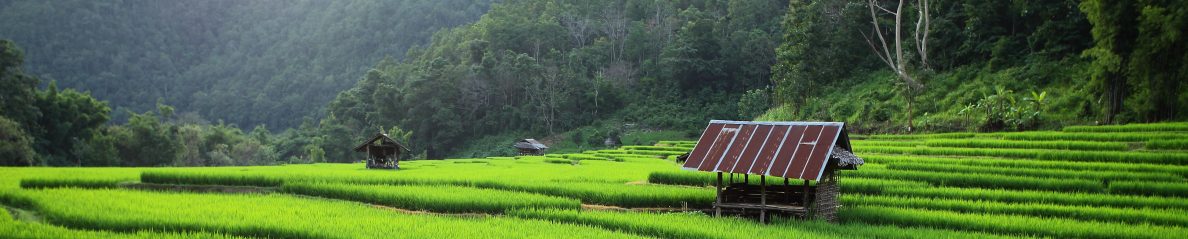

From a riverside home in Ayutthaya to a modest green house in Katib Lane (original name before Ari Lane), our family carried not just furniture—but memory, resilience, and quiet grace. Each reused door, each tea set, holds stories of migration, political unrest after the 1947 Thai coup d'état, and kinship. Home is not built—it’s remembered, restored, and lived through generations.
World Soil Day 2022: Soils, Where Food Begins
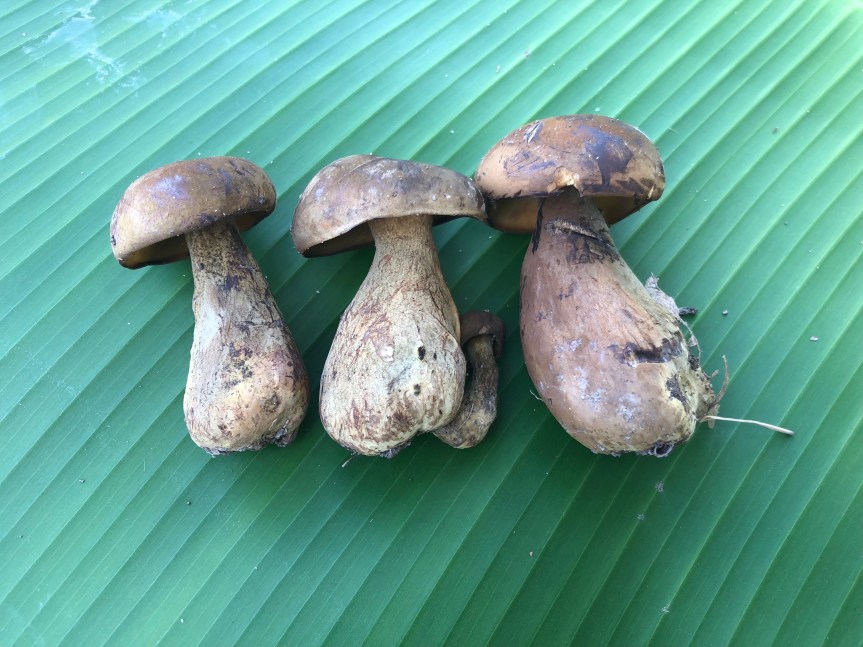
World Soil Day 2022 highlights the vital role of soil in food systems and ecosystem health. At BTLLAgroforestry, we’ve restored degraded rice fields into resilient agroforestry landscapes, showcasing how soil regeneration, flood adaptation, and community engagement can drive sustainable agriculture and climate solutions in Thailand’s vulnerable wetland regions.
Climate-adaptive organic farming practices in wetlands: Post-Covid19 missions
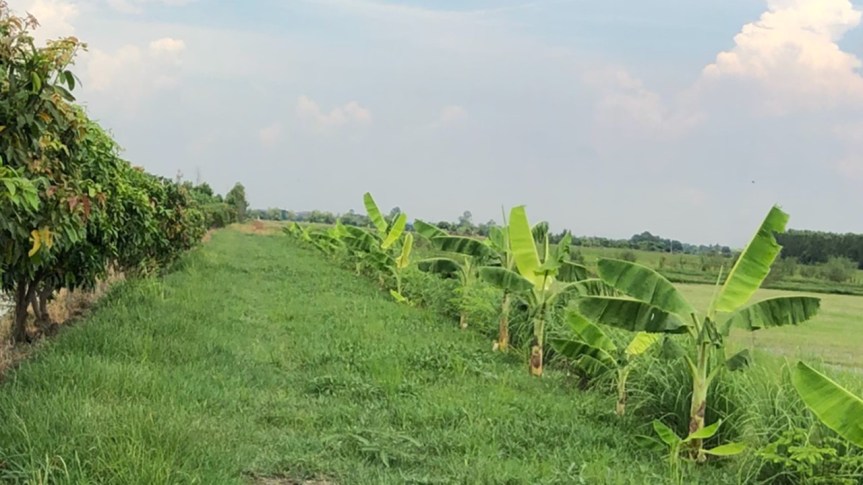
BTLLAgroforestry pioneers climate-adaptive organic farming in Thailand’s wetlands. Post-COVID, the project empowers farmer households through agroforestry, water management, and soil restoration. With support from EU-ASEAN initiatives, it fosters food-health-ecology-society integration, aiming for organic certification and resilient livelihoods amid flood-prone landscapes and shifting climate conditions. Trials continue, hope persists.
Revisiting peatland in lower Chao Phraya River Basin – The lost peatlands project in Ayutthaya
BTLLAgroforestry explores soil restoration and carbon sequestration in Ayutthaya’s tidal plains formed over 5000 years ago known as Bangkok clay. Using organic methods and ecosystem monitoring via Restor.eco, the project aims to regenerate landscapes, enhance soil carbon, and inspire smart hydrology for peat and acidic soils—supporting food, health, and climate resilience in aging Thai communities.
Summarising soil and water restoration Phase 1 (2016-2019) at BTLLAgroforestry, Ayutthaya, Thailand

From acidic soil and uncertain rains, BTLLAgroforestry began restoring land in Ayutthaya through syntropic principles and weekend resilience. Phase 1 focused on soil cover, water retention, and ecosystem healing. With 4 hectares now thriving, the journey continues—bridging science, community, and care in the face of climate uncertainty.
Wetland succession: The early phase of syntropic agriculture practices at BTLLAgroforestry, Ayutthaya, Thailand
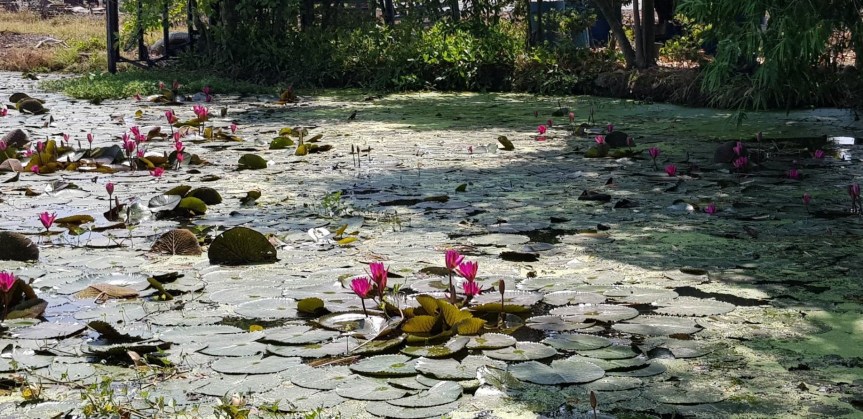
BTLLAgroforestry’s early syntropic agriculture phase in Ayutthaya marks a shift from monocrop rice to diverse agroforestry. Flora and fauna succession, soil restoration, and invasive species like sacred lotus reveal dynamic wetland ecology. Observations from 2016–2019 guide future regenerative practices rooted in local geology and ecological resilience.
เรื่องเล่าจากลาดบัวหลวงถึงหลวงประสิทธิ์นรกรรม
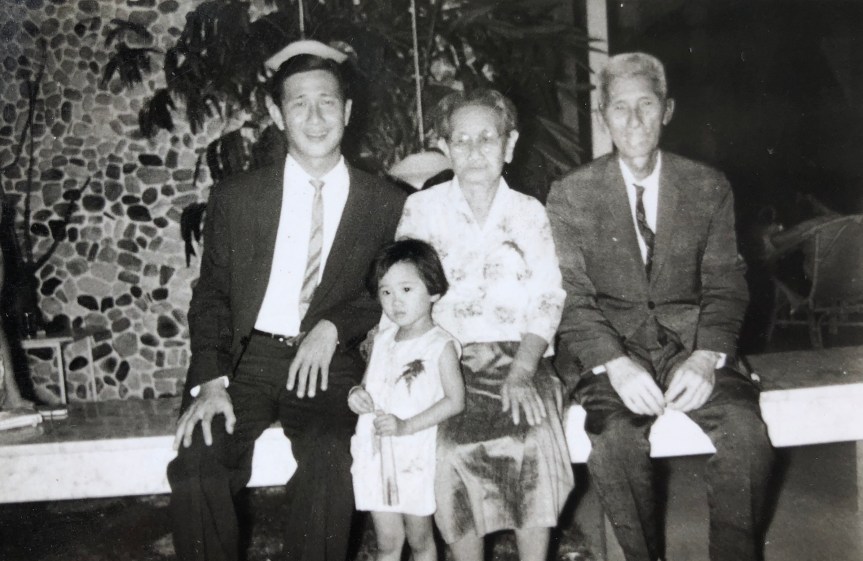
In Ayutthaya’s lowland fields, my grandfather turned retirement into regeneration—donating land, guiding farmers, and founding Luang Prasit Market. Seventy years later, I return to the same soil with my brother and his orchard. Our family’s journey continues: from horseback through forests since my grandfather's time to one-hour drives, still rooted in care and community.
Fruit trees are flowering on the dried excavated and acidic soil
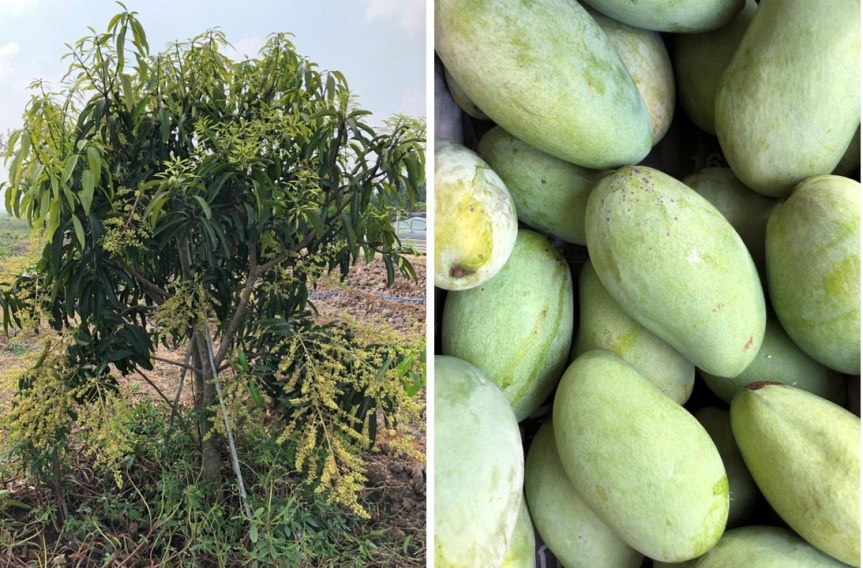
Against all odds, fruit trees are flowering on excavated, acidic soil at BTLLAgroforestry. Through organic amendments, mulching, and careful pruning, mango and jackfruit trees have begun to thrive. Nitrogen-fixing Fabaceae species help stabilize the land, while improved water quality and rain-fed resilience support a promising future for chemical-free cultivation.
Edible fern plantation during rainy season 2018
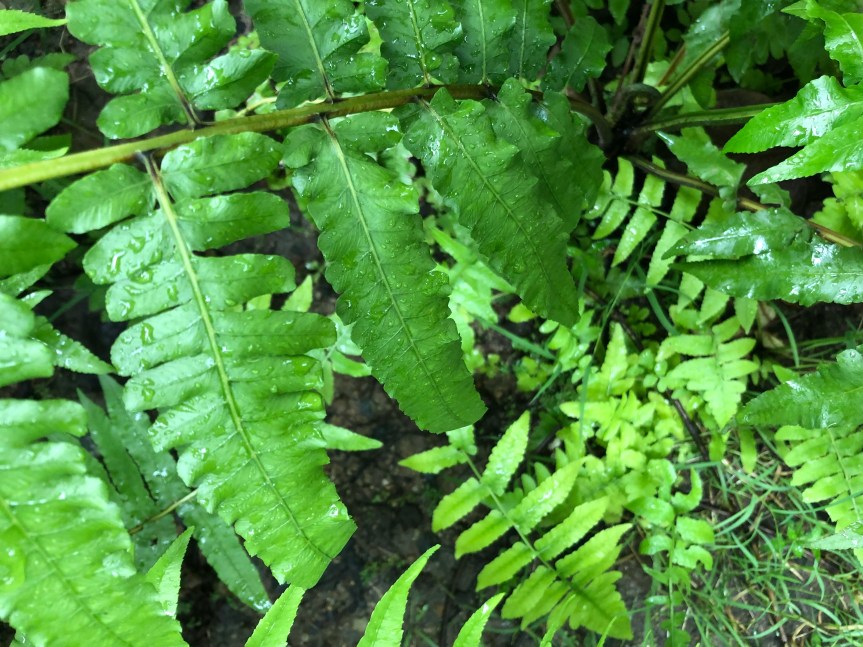
During the 2018 rainy season, BTLLAgroforestry expanded water circulation and planted edible ferns like Diplazium esculentum under shaded groves. These ferns, sensitive to agrochemicals, signal improved soil health. Indigenous water plants flourished, and red water spinach supported local incomes—marking progress in syntropic agriculture and sustainable wetland food systems.
Carbon capturing perennials in tropical lowland food forest, Chao Phraya River Basin
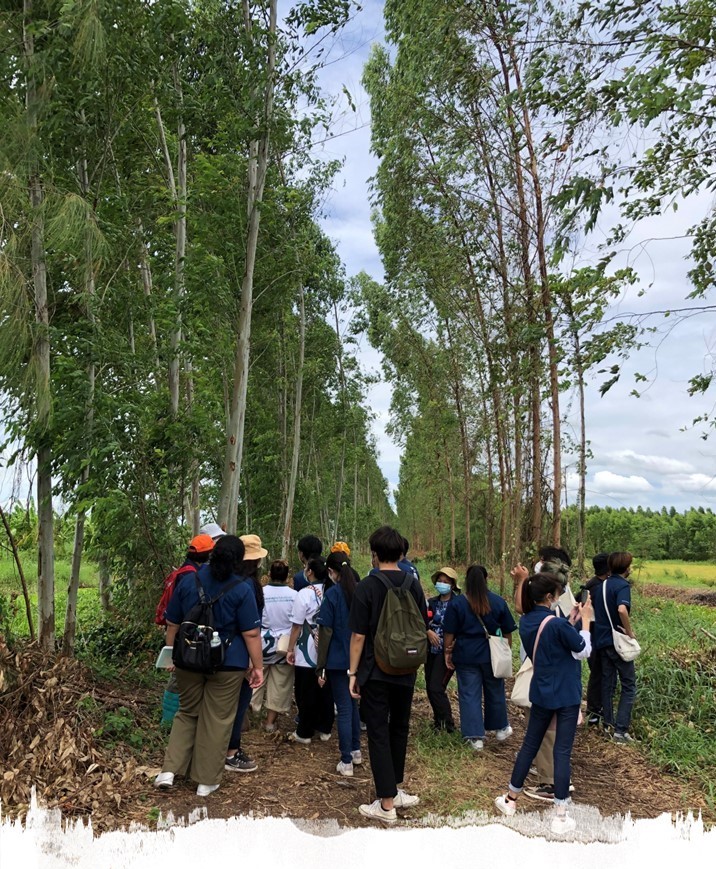
BTLLAgroforestry cultivates carbon-capturing perennials like rain trees and Siamese cassia in Thailand’s lowland food forest. Through soil restoration, water management, and syntropic design, the project balances productivity with climate resilience—reviving degraded landscapes and offering sustainable alternatives to monocrop rice farming in the Chao Phraya River Basin.
Water management practices for banana and mahogany plantation in lowland plain (dry and flood)

BTLLAgroforestry developed water management strategies for banana and mahogany plantations in Ayutthaya’s flood-prone lowlands. Using ridge-furrow systems, organic amendments, and seasonal drainage planning, the site improved soil health and water quality. These practices enabled fruiting, supported income generation, and inspired future community-based agroecological enterprise development amid climate challenges.
My journey on becoming a farmer in permanent agriculture
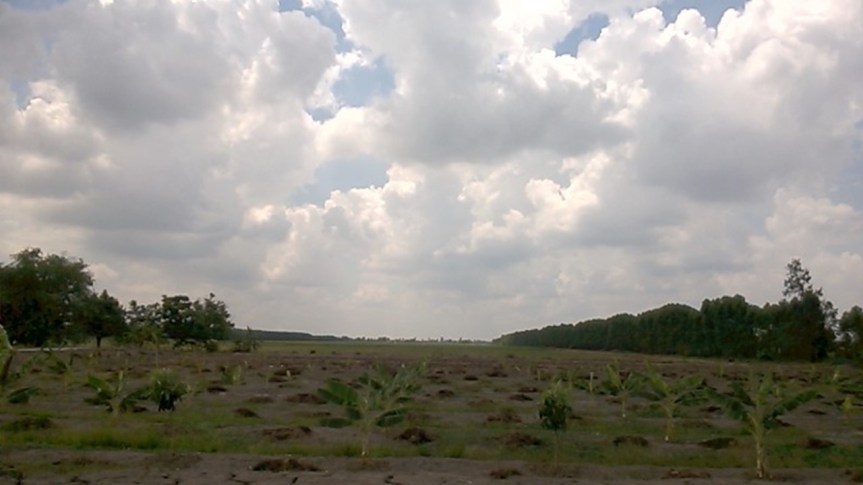
In Ayutthaya’s reclaimed soil, I began farming with no background—just curiosity and care. Mangoes survived, herbs surprised me, and failures taught more than manuals. This journey in permanent agriculture isn’t about yield alone, but about listening to land, honouring time, and growing roots deeper than crops.
The journey begins @BTLLAgroforestry – from soil to human health

In 2016, BTLLAgroforestry began as a humble experiment in Ayutthaya—restoring soil, water, and dignity. From bioremediation to climate-resilient farming, we cultivated change from the ground up. Today, it’s more than a farm. It’s a living lab where ecology meets community, and food begins with care, not chemicals.
 À Table! e-Magazine นิตยสารออนไลน์ ครัวของคุณ