
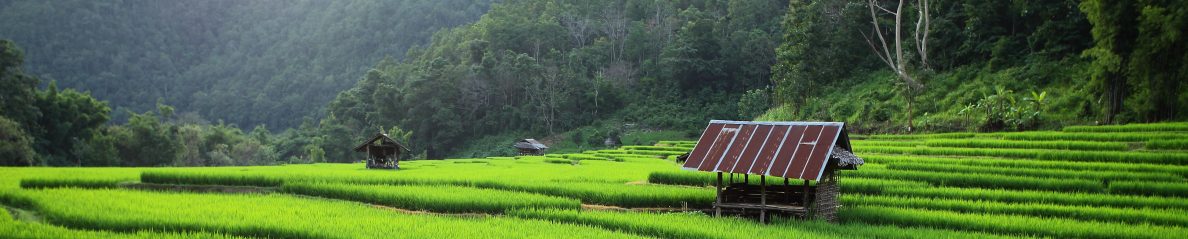
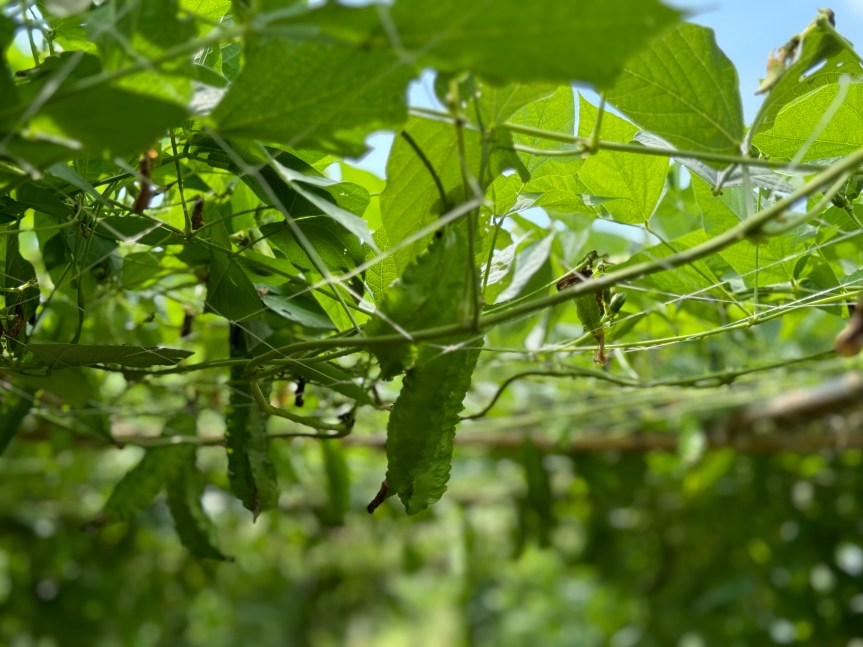
Winged bean is not only a high-protein crop, but also a natural solution for a low-carbon food system. By using its biological ability to "make its own fertiliser," it reduces harmful greenhouse gases and restores soil health. In our 8-hectare sandbox, we demonstrate that this simple plant can provide high-quality data for climate finance.
Author: Regen Agri-Food Systems
Dr. Parichat Hongsprabhas is currently the managing director of FoodInnovate Co., Ltd., a Thailand social enterprise group focusing on regenerative agri-food systems.
Parichat has retired from the Department of Food Science and Technology, Faculty of Agro-Industry, Kasetsart University, where she taught graduate courses in Food Colloids, Food Proteins, and Global Food Security. Her work outside academia includes designing nutritious foods that promote optimal nutrient absorption as a consultant to food industries. She also helps farmers enhance their livelihoods by integrating science and technology into soil and water restoration on farmlands and channelling their fresh fruits and vegetables to urban markets.
Floodplains Should Not Be Invisible Assets: Policy Recommendations for Equitable Climate Resilience in the Lower Chao Phraya River Basin
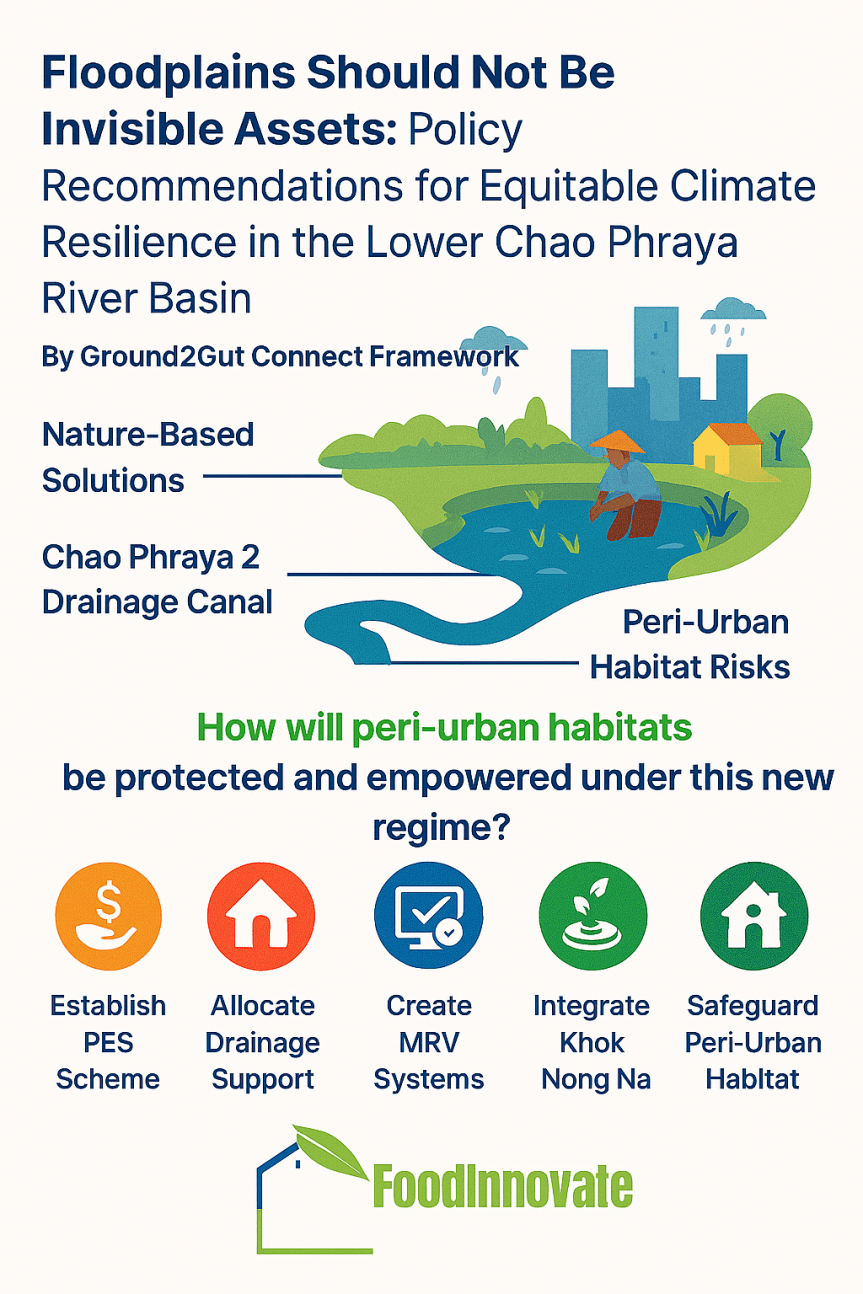
Floodplains in Thailand’s Lower Chao Phraya River Basin play a vital role in urban flood protection, yet smallholder farmers bear the hidden costs. As the Chao Phraya 2 canal nears completion, policy reform is urgent—integrating Payment for Ecosystem Services (PES), agroecology, and peri-urban safeguards to ensure resilience is shared, not shifted.
Decoding the Future of Plant Proteins from Winged Beans: Ep. 3/6 Soil-Healing Legumes and the Promise of Green Regeneration
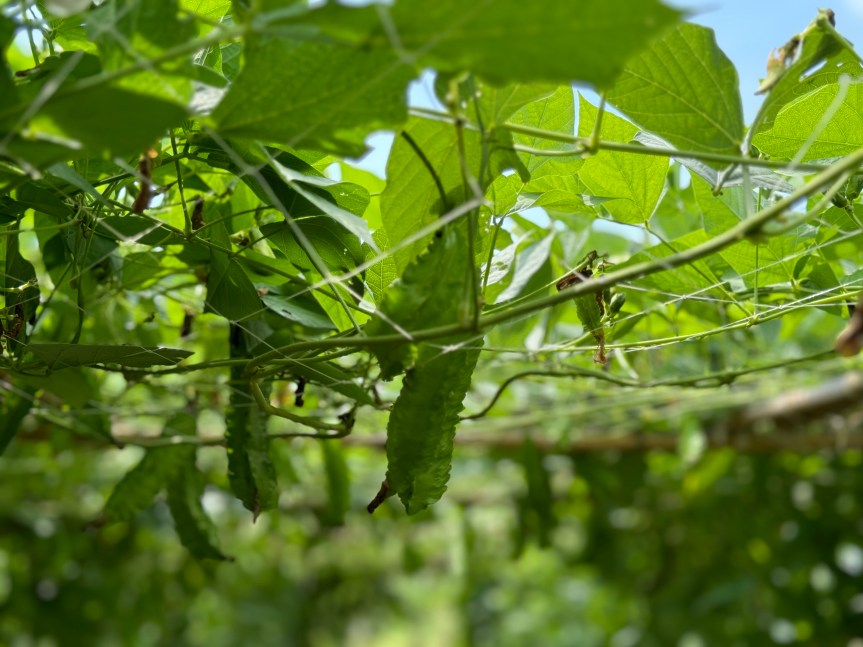
Some crops extract nitrogen from the soil. Winged beans give back to the soil, to the systems, to life. Winged beans have exceptional nitrogen-fixing capacity, outperforming most tropical legumes. They excel as green manure, cover crops, and intercrops within banana, sugarcane, and maize systems. Their role in enhancing soil fertility and increasing organic matter makes them ideal allies in regenerative farming.
ย่านอารีย์: ก่อนครบร้อยปีแห่งความคิดสร้างสรรค์ สู่อนาคตที่ยั่งยืน
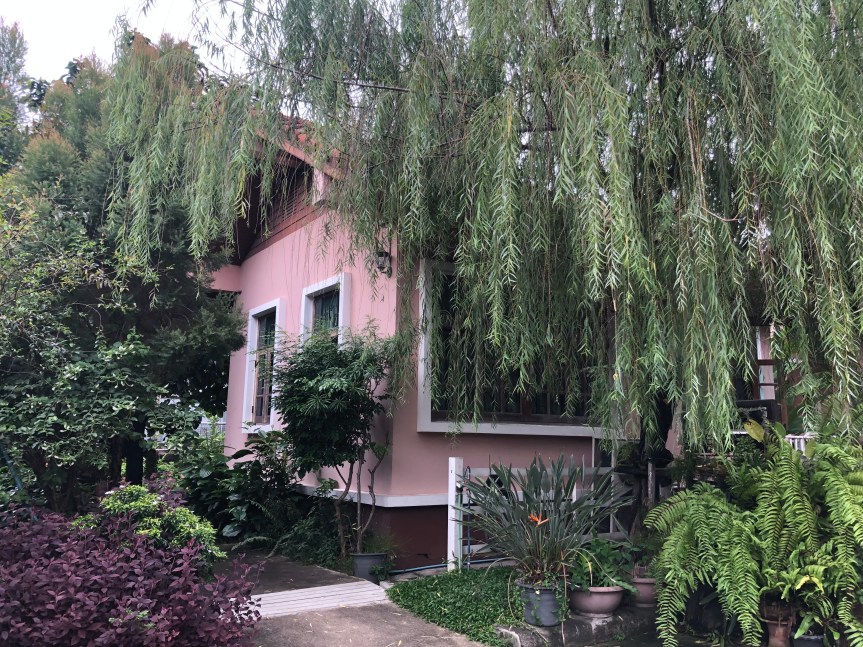
Ari blends heritage and modernity—but can it grow without losing its soul? As the neighborhood nears its centennial, residents reflect on identity, inclusion, and sustainable urban futures. From street food to design festivals, Ari’s story reminds us: you are where you live, and change begins with shared imagination.
FoodInnovate: Cultivating Change, Measuring Growth
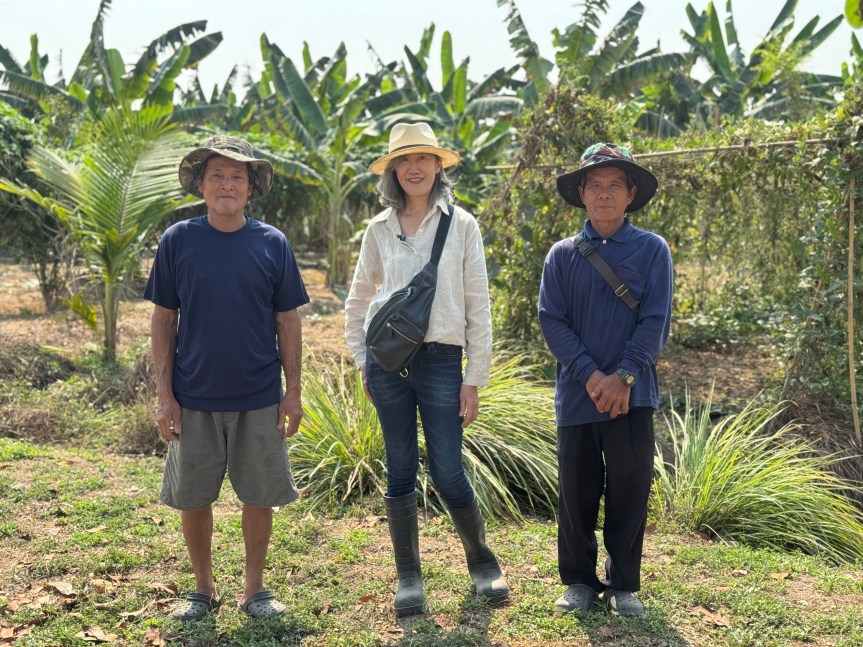
FoodInnovate empowers small-scale producers through agroecological design, advanced food tech, and ethical sourcing. By shortening supply chains and valuing farmers as land guardians, we cultivate healthier food systems and fairer returns. Our impact is measured not just in metrics—but in dignity, resilience, and regenerative change across Thailand’s food landscape.
Converting Rice Field to Sustainable Agriculture
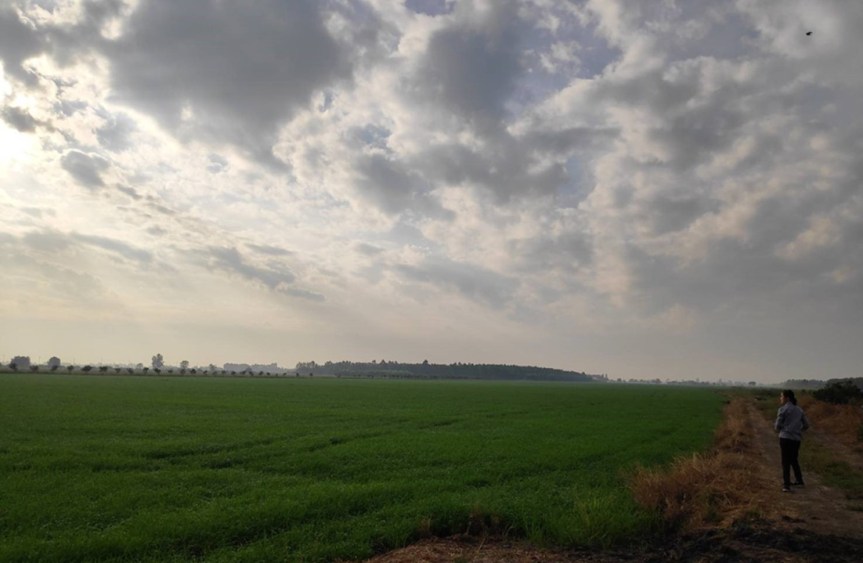
FoodInnovate’s BTLLAgroforestry transforms rice fields into climate-resilient agroforestry systems. Guided by King Rama IX’s sustainable agriculture principles, the initiative restores soil, water, and biodiversity while supporting farmer livelihoods. It demonstrates how regenerative land-use planning can yield food, income, and environmental benefits amid droughts, floods, and shifting food system demands.
เชื่อมโยงชุมชนเมืองย่านอารีย์กับชุมชนเกษตรกรรมผ่านการเดินทางของอาหาร

From flooded rice fields to regenerative agroforestry, BTLLAgroforestry reconnects rural Ayutthaya with urban Ari through the journey of food. Ground2Gut links soil restoration, organic farming, and ancestral memory to city health. Each harvest carries not just nutrients—but stories, resilience, and the quiet power of place-based transformation.
World Soil Day 2022: Soils, Where Food Begins
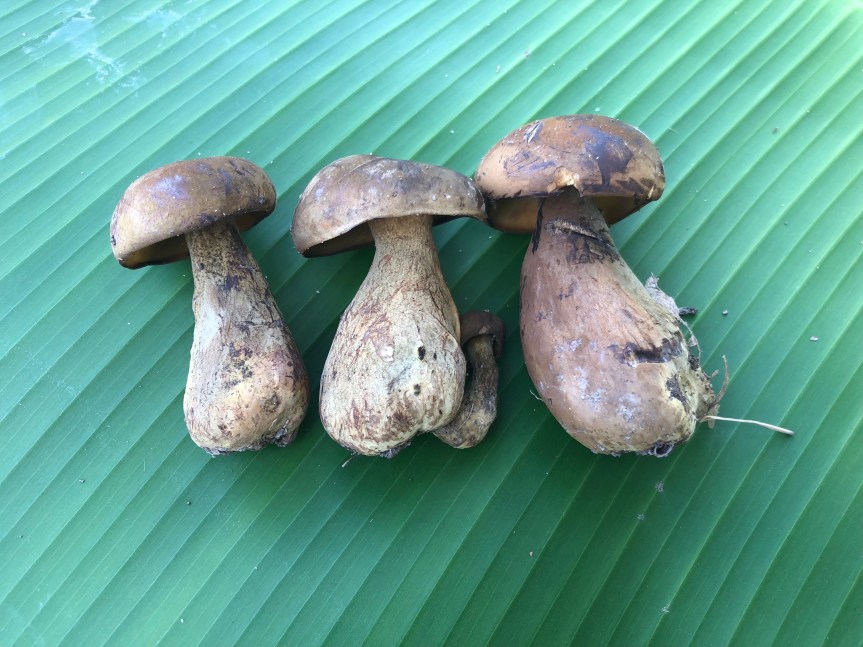
World Soil Day 2022 highlights the vital role of soil in food systems and ecosystem health. At BTLLAgroforestry, we’ve restored degraded rice fields into resilient agroforestry landscapes, showcasing how soil regeneration, flood adaptation, and community engagement can drive sustainable agriculture and climate solutions in Thailand’s vulnerable wetland regions.
Climate-adaptive organic farming practices in wetlands: Post-Covid19 missions
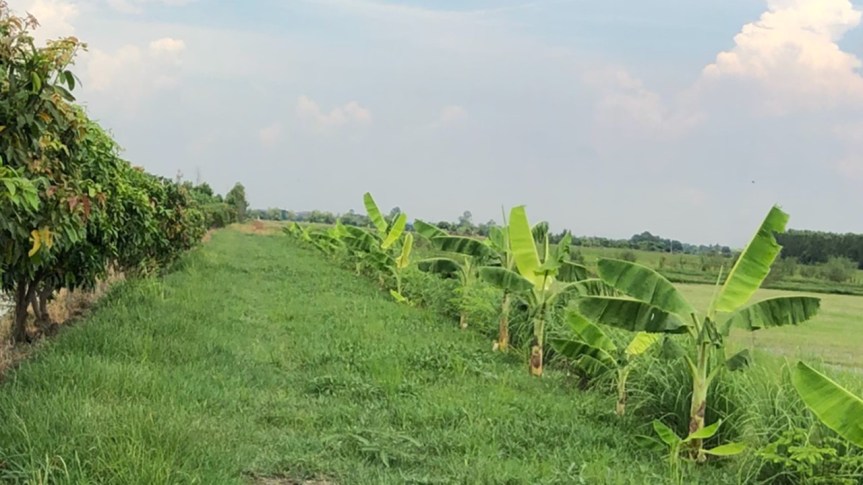
BTLLAgroforestry pioneers climate-adaptive organic farming in Thailand’s wetlands. Post-COVID, the project empowers farmer households through agroforestry, water management, and soil restoration. With support from EU-ASEAN initiatives, it fosters food-health-ecology-society integration, aiming for organic certification and resilient livelihoods amid flood-prone landscapes and shifting climate conditions. Trials continue, hope persists.
Revisiting peatland in lower Chao Phraya River Basin – The lost peatlands project in Ayutthaya
BTLLAgroforestry explores soil restoration and carbon sequestration in Ayutthaya’s tidal plains formed over 5000 years ago known as Bangkok clay. Using organic methods and ecosystem monitoring via Restor.eco, the project aims to regenerate landscapes, enhance soil carbon, and inspire smart hydrology for peat and acidic soils—supporting food, health, and climate resilience in aging Thai communities.
Summarising soil and water restoration Phase 1 (2016-2019) at BTLLAgroforestry, Ayutthaya, Thailand

From acidic soil and uncertain rains, BTLLAgroforestry began restoring land in Ayutthaya through syntropic principles and weekend resilience. Phase 1 focused on soil cover, water retention, and ecosystem healing. With 4 hectares now thriving, the journey continues—bridging science, community, and care in the face of climate uncertainty.
Wetland succession: The early phase of syntropic agriculture practices at BTLLAgroforestry, Ayutthaya, Thailand
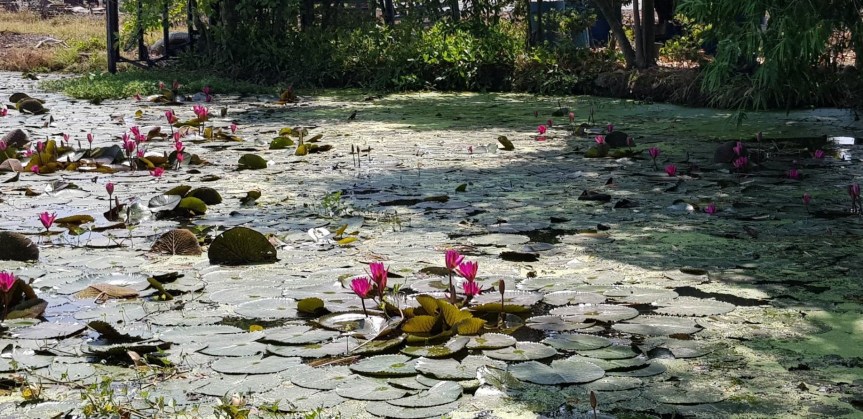
BTLLAgroforestry’s early syntropic agriculture phase in Ayutthaya marks a shift from monocrop rice to diverse agroforestry. Flora and fauna succession, soil restoration, and invasive species like sacred lotus reveal dynamic wetland ecology. Observations from 2016–2019 guide future regenerative practices rooted in local geology and ecological resilience.
Fruit trees are flowering on the dried excavated and acidic soil
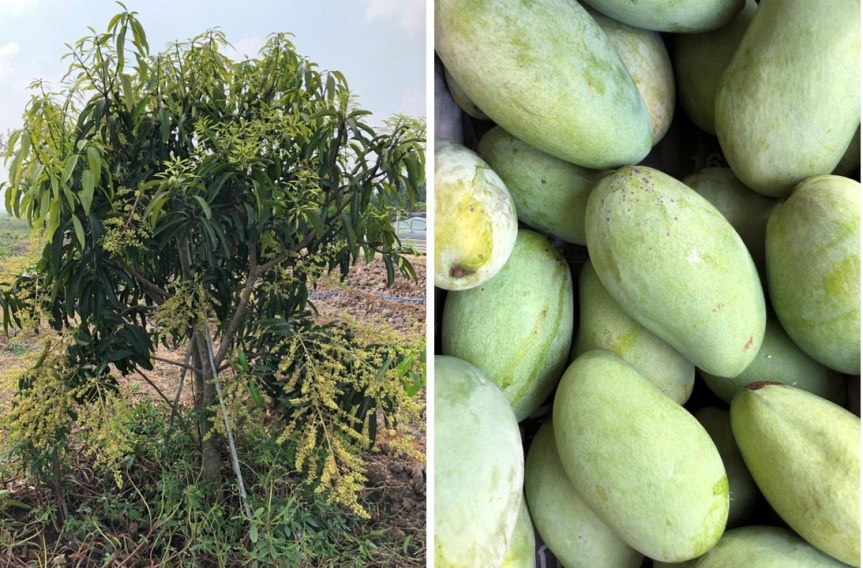
Against all odds, fruit trees are flowering on excavated, acidic soil at BTLLAgroforestry. Through organic amendments, mulching, and careful pruning, mango and jackfruit trees have begun to thrive. Nitrogen-fixing Fabaceae species help stabilize the land, while improved water quality and rain-fed resilience support a promising future for chemical-free cultivation.
Edible fern plantation during rainy season 2018
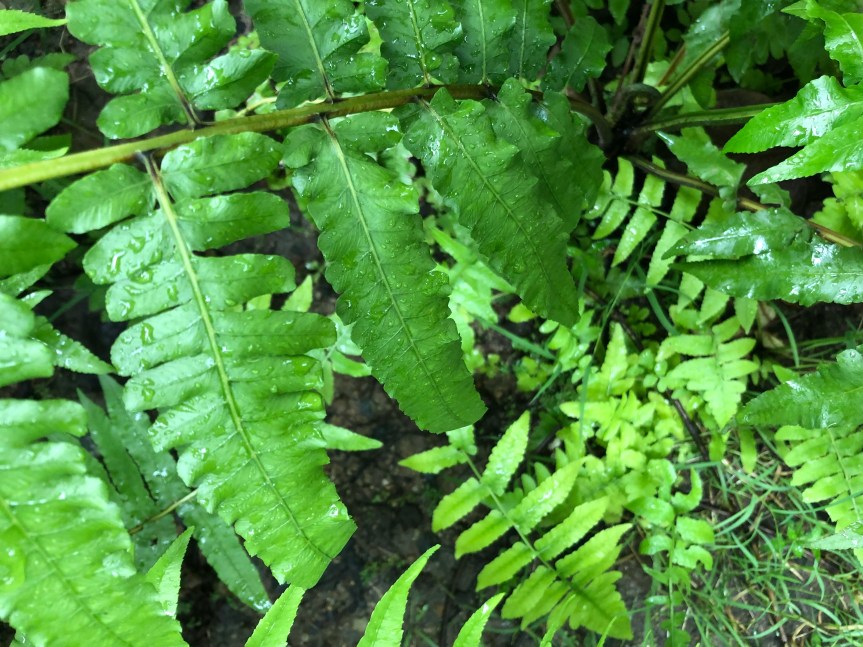
During the 2018 rainy season, BTLLAgroforestry expanded water circulation and planted edible ferns like Diplazium esculentum under shaded groves. These ferns, sensitive to agrochemicals, signal improved soil health. Indigenous water plants flourished, and red water spinach supported local incomes—marking progress in syntropic agriculture and sustainable wetland food systems.
Carbon capturing perennials in tropical lowland food forest, Chao Phraya River Basin
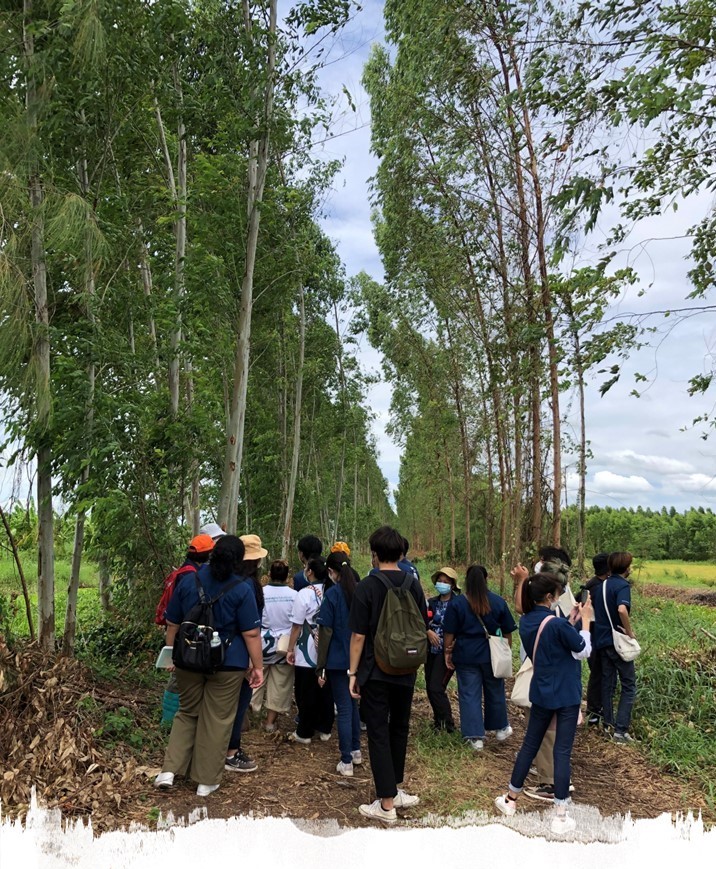
BTLLAgroforestry cultivates carbon-capturing perennials like rain trees and Siamese cassia in Thailand’s lowland food forest. Through soil restoration, water management, and syntropic design, the project balances productivity with climate resilience—reviving degraded landscapes and offering sustainable alternatives to monocrop rice farming in the Chao Phraya River Basin.
Water management practices for banana and mahogany plantation in lowland plain (dry and flood)

BTLLAgroforestry developed water management strategies for banana and mahogany plantations in Ayutthaya’s flood-prone lowlands. Using ridge-furrow systems, organic amendments, and seasonal drainage planning, the site improved soil health and water quality. These practices enabled fruiting, supported income generation, and inspired future community-based agroecological enterprise development amid climate challenges.
My journey on becoming a farmer in permanent agriculture
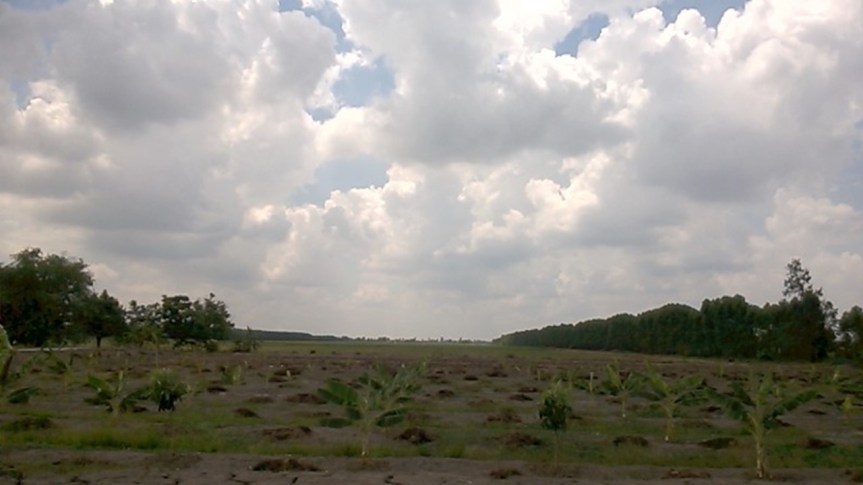
In Ayutthaya’s reclaimed soil, I began farming with no background—just curiosity and care. Mangoes survived, herbs surprised me, and failures taught more than manuals. This journey in permanent agriculture isn’t about yield alone, but about listening to land, honouring time, and growing roots deeper than crops.
The journey begins @BTLLAgroforestry – from soil to human health

In 2016, BTLLAgroforestry began as a humble experiment in Ayutthaya—restoring soil, water, and dignity. From bioremediation to climate-resilient farming, we cultivated change from the ground up. Today, it’s more than a farm. It’s a living lab where ecology meets community, and food begins with care, not chemicals.
 À Table! e-Magazine นิตยสารออนไลน์ ครัวของคุณ