
The original article is in English
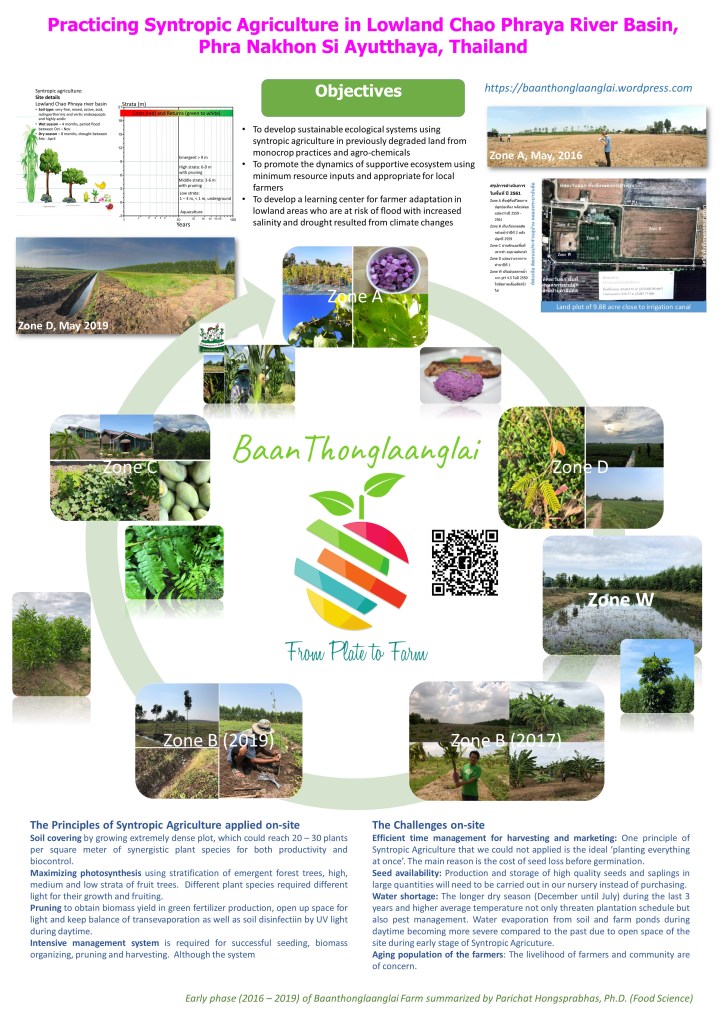
We discuss farmers’ agricultural challenges in the Phra Nakhon Si Ayutthaya province due to prolonged drought or flood seasons. In response, the FoodInnovate team started an 8-hectare farm called BTLLAgroforestry in 2016 as a sustainable agricultural initiative. We aim to explore ways to make farmers more resilient to changing climate conditions by transitioning from conventional chemical-based farming to agroforestry practices and efficient land-use planning based on the principles of sustainable agriculture suggested by the late King Rama IX. This initiative is intended to aid in the restoration of the environment and improve the livelihoods of local farmers.
Future of Food under Climate Change
The “Future of Food” involves changes and predictions related to agricultural practices, food production, distribution, processing, and consumption. Therefore, the key factors determining the future of food include sustainable farming practices, conservation of resources, biodiversity promotion, technological advancements, and efficiency and quality improvement of agricultural products on the upstream side of the food supply chain. The midstream and downstream of the food supply chain involve searching for alternative protein sources, personalised nutrition, and better management of agricultural by-products and food waste also are addressed.
Resiliency and adaptation to local conditions are thus crucial to ensure a sustainable food system – current and future, especially in climate change. In this article, we share our experience transforming farming into sustainable agriculture in the lowland area of the Chao Phraya River, Phra Nakhon Si Ayutthaya, Thailand. Our food journey started in 2016 from understanding the area and its people, soil and water restoration, agricultural landscape design, crop selection, resource management, and community involvement.
Challenges in Converting Rice Fields
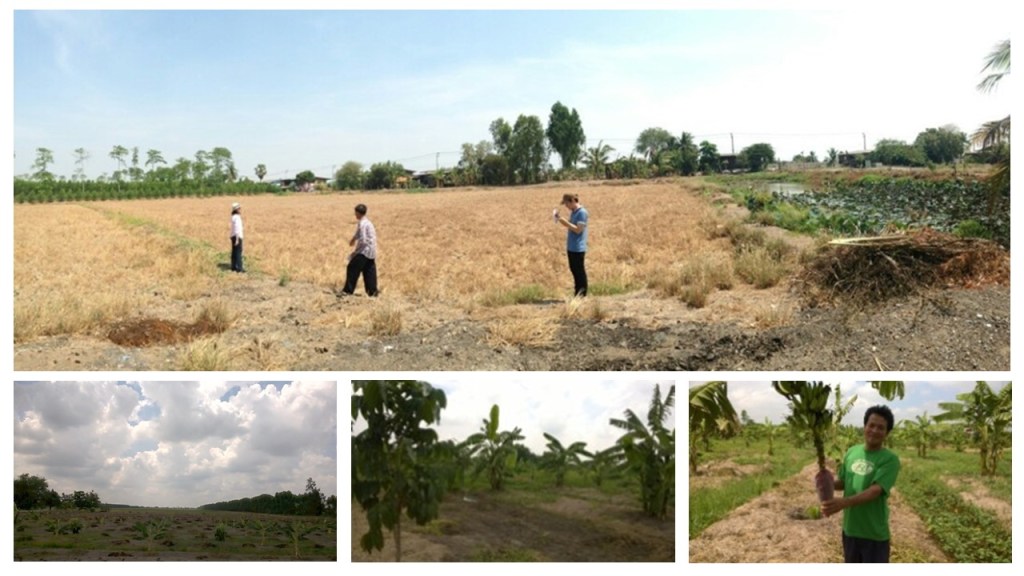
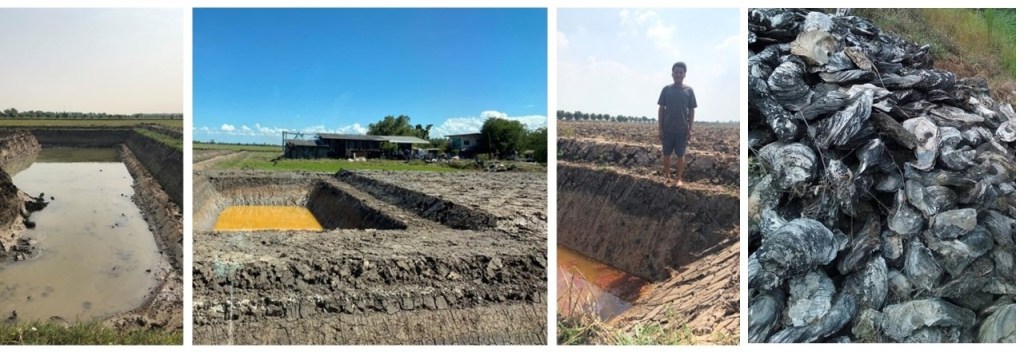
The challenges faced by farmers in the Phra Nakhon Si Ayutthaya province on the west side of Chao Phraya River between 1997 to 2015 were noted. Farmers have dealt with decreasing rainfall, soil degradation, and emerging plant pests and diseases for years. The region has recently experienced major floods and droughts, affecting water management and agriculture. BTLLAgroforestry, our field-monitoring laboratory on a waterlogged plain, adopted a biologically-based approach to address soil acidity and fertility, utilising organic materials such as animal manure and biofertilisers. We also implemented crop rotation and water storage practices. We, therefore, have highlighted the importance of soil and water restoration, particularly an agroecological approach, as a solution since 2016.
The “From Plate to Farm” Concept – Should We Consider the Food Systems from the Demand Side Instead of “From Farm to Fork”?
FoodInnovate’s team expertise lies downstream of the agri-food system. Despite our lack of familiarity with water sources, cultivation, or livestock farming, we decided to start an 8-hectare farm named BTLLAgroforestry in 2016 as a field-monitoring laboratory. The landowners made this decision during a prolonged dry season in Thailand, starting in late 2015 when rice farmers in the irrigation area of Phra Nakhon Si Ayutthaya could not cultivate rice for two consecutive seasons towards 2016.
The aim of FoodInnovate’s self-funded project, which focuses on transforming paddy fields into multi-species agroforestry, is to assess strategies that increase the resiliency of farmers in the changing climate conditions. We believe that converting conventional agriculture, practised for over 70 years, to sustainable agriculture through agroforestry and efficient land use planning and implementation, which aligns with the new agricultural theory suggested by the late King Rama IX, could contribute to the restoration of the environment and the improvement of farmers’ livelihoods.
Implementing Syntropic Agriculture and Landscape Modification According to the New Agricultural Theory Suggested by the Late King Rama IX
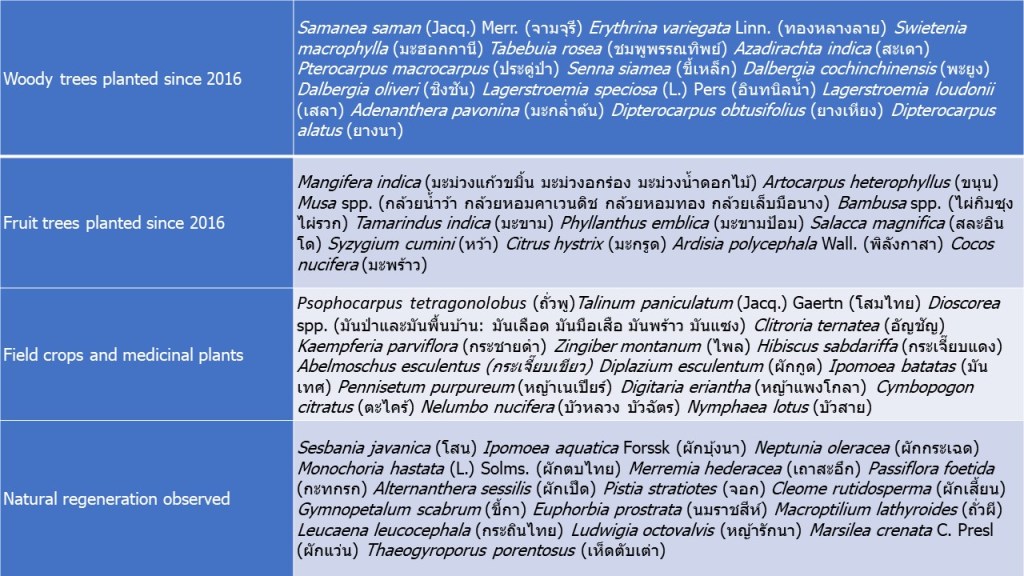
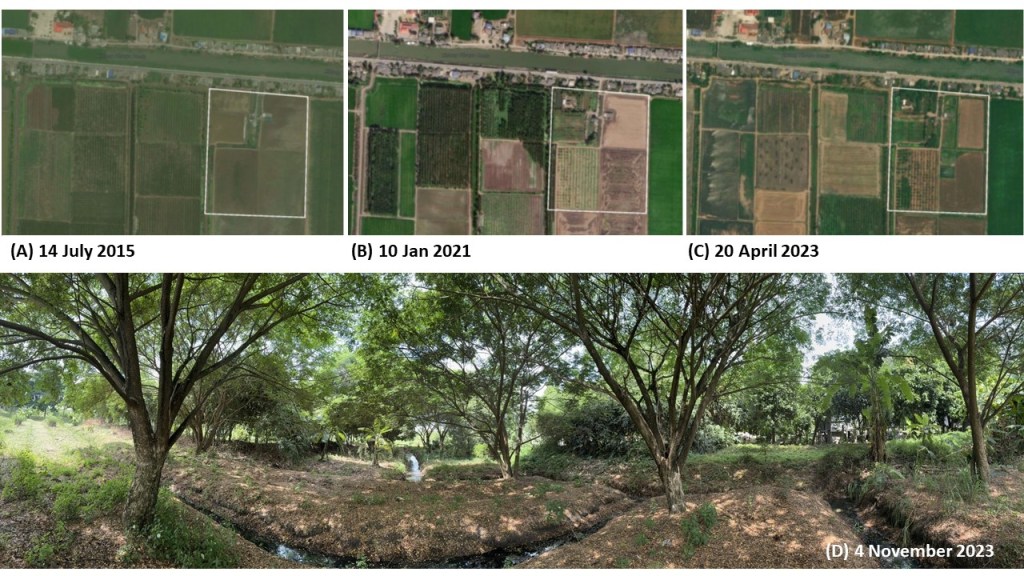
We work with local farmers on site, gradually restoring soil and water, as well as site microclimate and soil microbiome by matching the plant species tolerant to droughts and floods. Our botanist friends supported the monitoring of regenerative local species while geospatial tracking of carbon and water over 6 years was kindly supported by Restor.eco.
Community engagement and resource management
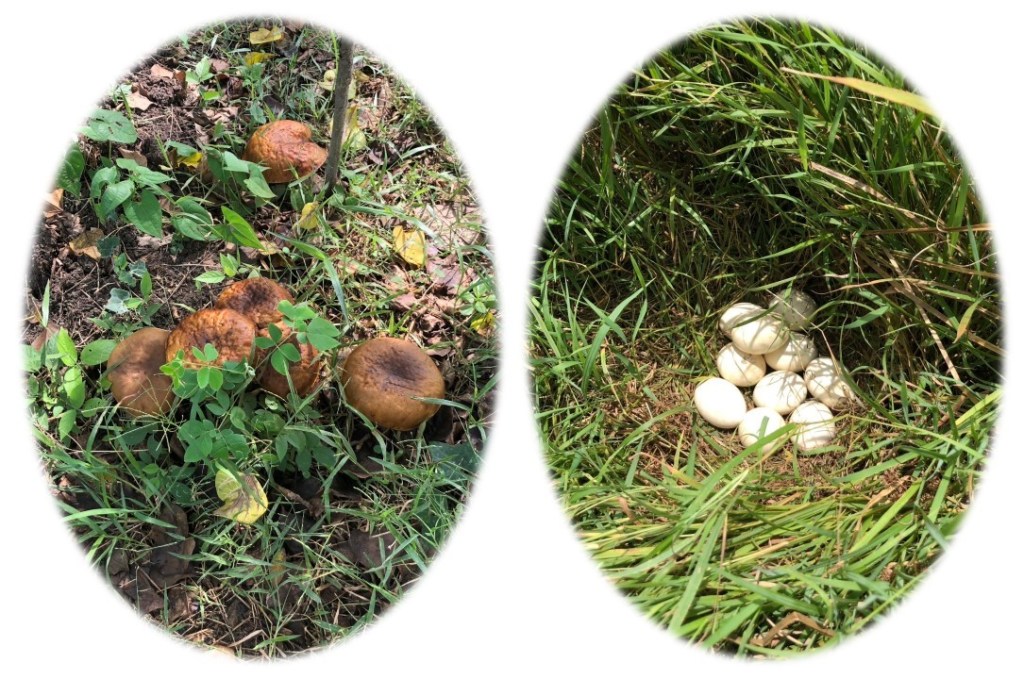
Farming at BTLLAgroforestry requires around six years to achieve high-quality, chemical-free agricultural production in 2022. Moreover, careful selection of plants can also accomodate the climate-adaptive agroforestry intervention to restore the ecosystems at BTLLAgroforestry that we started to see the comeback of indigenous species.
We could not have done it without the help of local farmers. At this stage, BTLLAgroforestry also felt like being part of a small village. We have been through floods, droughts and COVID-19 together over the past 6 years and started discussing the future of food we wish to work together.
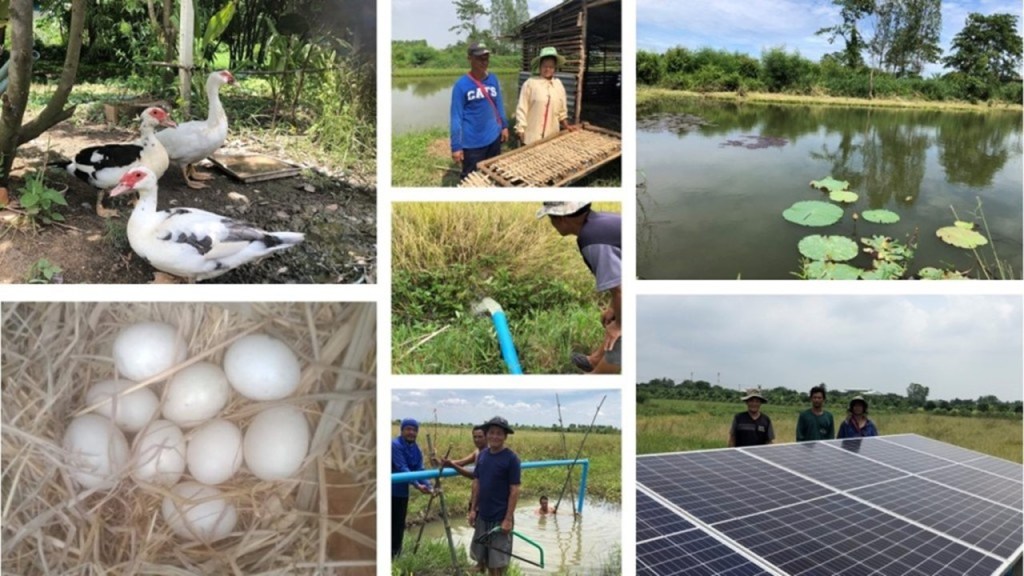
The benefits of sustainable agroecology include ecosystem restoration, increased biodiversity, sustainable agricultural yield and climate change mitigation for local farmers, and secure high-quality agricultural supplies that we can benefit from safe and healthy diets. The FoodInnovate team is currently working on an urban-rural coproduction campaign on value addition and the flow of high-quality food and food ingredients to widen the market channels for farmers and consumers. We are also considering the MRV for carbon credit as supplementary income for the farmers.
Discover more from À Table! e-Magazine นิตยสารออนไลน์ ครัวของคุณ
Subscribe to get the latest posts sent to your email.

 À Table! e-Magazine นิตยสารออนไลน์ ครัวของคุณ