
The original article is in English
World Soil Day, 5 December 2022, aims to raise awareness of the importance of maintaining healthy ecosystems and human well-being by addressing the growing challenges in soil management, increasing soil awareness, and encouraging societies to improve soil health (World Soil Day | United Nations).
I am still wearing two hats in December 2022 regarding the BTLLAgroforestry project, a full-time faculty member at the university and an investor in FoodInnovate and BTLLAgroforestry, the non-profit organisations. My background is in Food Science, so I primarily work midstream and downstream in the food value chain.
BTLLAgroforestry was initiated in 2016 as a field monitoring laboratory, a brainchild project to understand better the cost and returns on the upstream side of the food value chain. The big question is “How to balance economic costs and ecological outcomes” in converting rice fields to multi-purposed croplands, the question to be considered if we wish to encourage the transformation of agriculture from chemical-based to more ecologically-friendly and sustainable practices at a policy level. I need to find the answers from the farmers’ point of view by being a farmer and working with groups of farmers instead of being an academic.

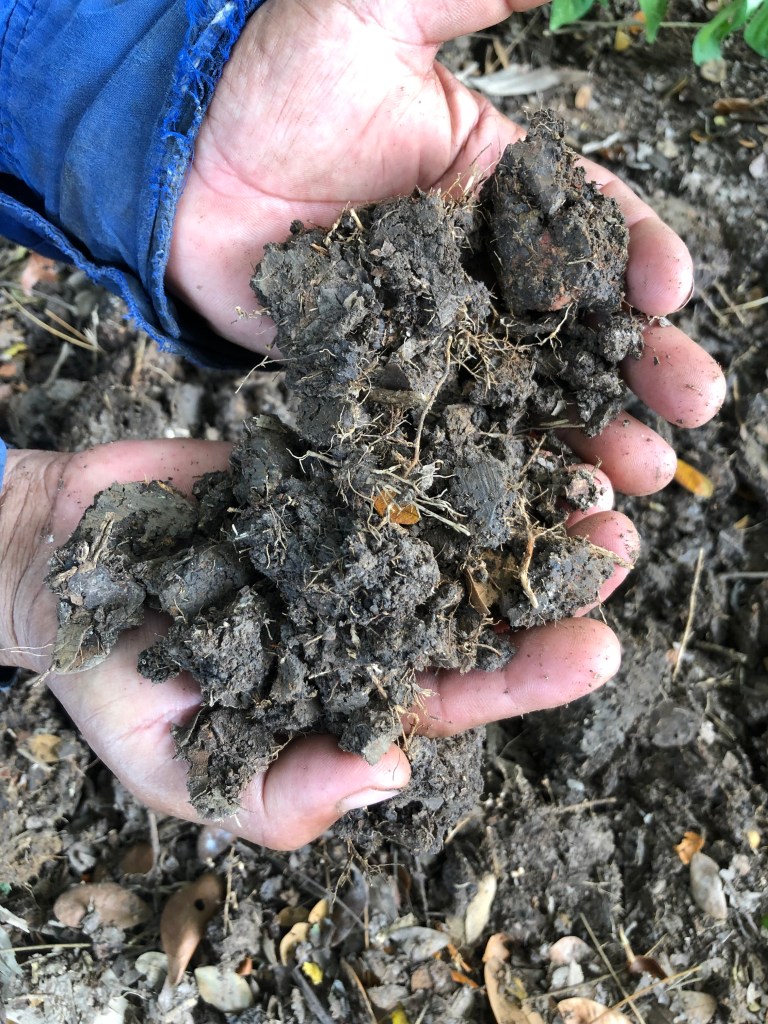
Firstly, we restored the soil and water qualities in 2016. The on-site soil and water analyses gave us the baseline of what we were dealing with. We adopt acidic soil management as in peatland recommended by the late King Rama IX on this BTLLAgroforestry site. Being here since 2016 gave us some experience in water management in the wetlands ecoregion that will face the influences of sea-level rise this century.
Although the rainy season usually starts in June, it rains heavily after Buddhist Lent day in early August. In September and October, the rain still pours in North and Central Thailand, much enough that the water must be discharged from the dams through the Chao Phraya lowlands and irrigation systems under the National flood relief plan. By September, the soil is already saturated with rainwater.
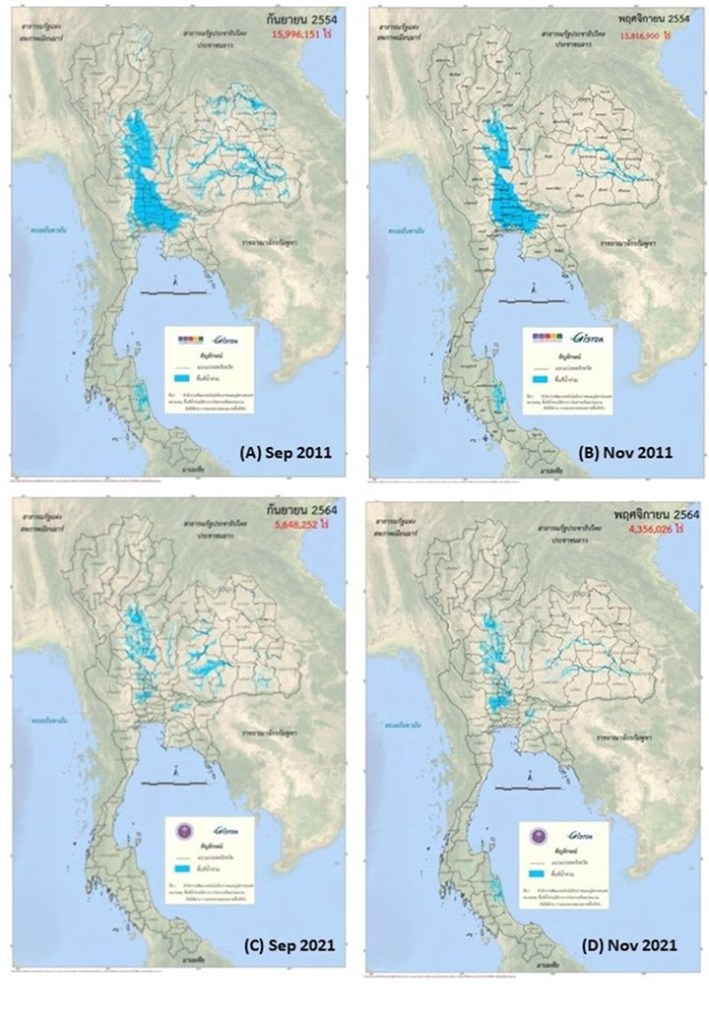
Long-period of floods has become the new normal for people within the water-retention areas as the water-logging period is getting longer and longer days than before. The large-scale nature-based flood mitigation solution through the state’s actions is quite effective in regulating the floods in central Thailand in 2021 compared to 2011 as shown in GISTDA maps (https://flood.gistda.or.th/ ). Nonetheless, the livelihood of people in the water-retention areas has changed forever from the climate situations we are facing.
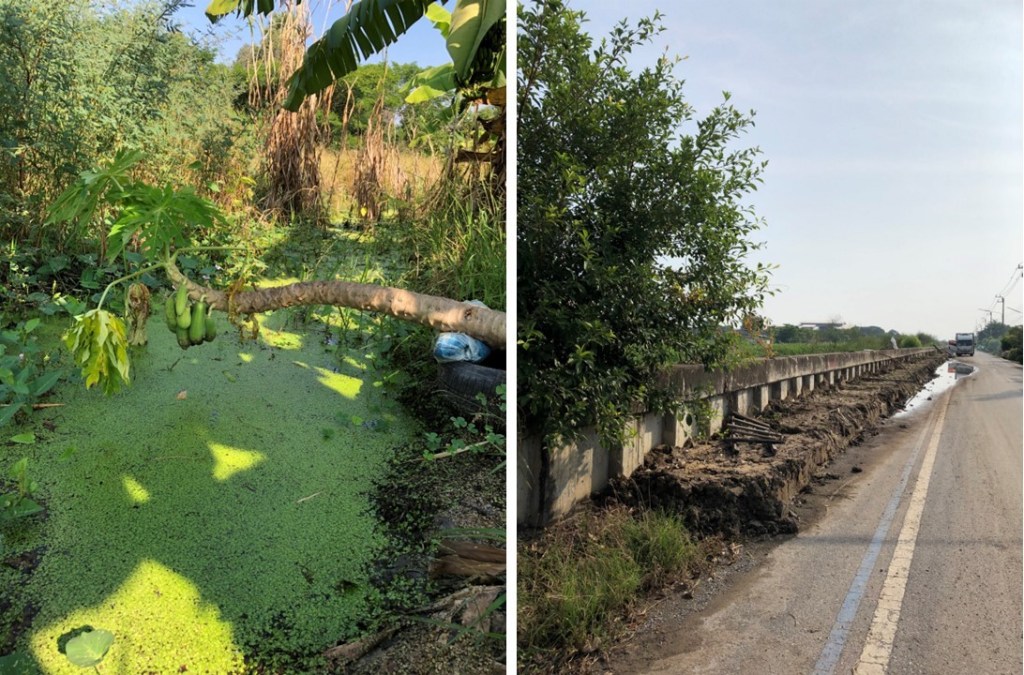
At BTLLAgroforestry, some of our planted trees since 2016 did not survive the water-logging period of three months, namely coconut, cacao, and bamboo. The whole field transformed into a fresh-water swamp forest for 3-4 months since we could not pump the water out.
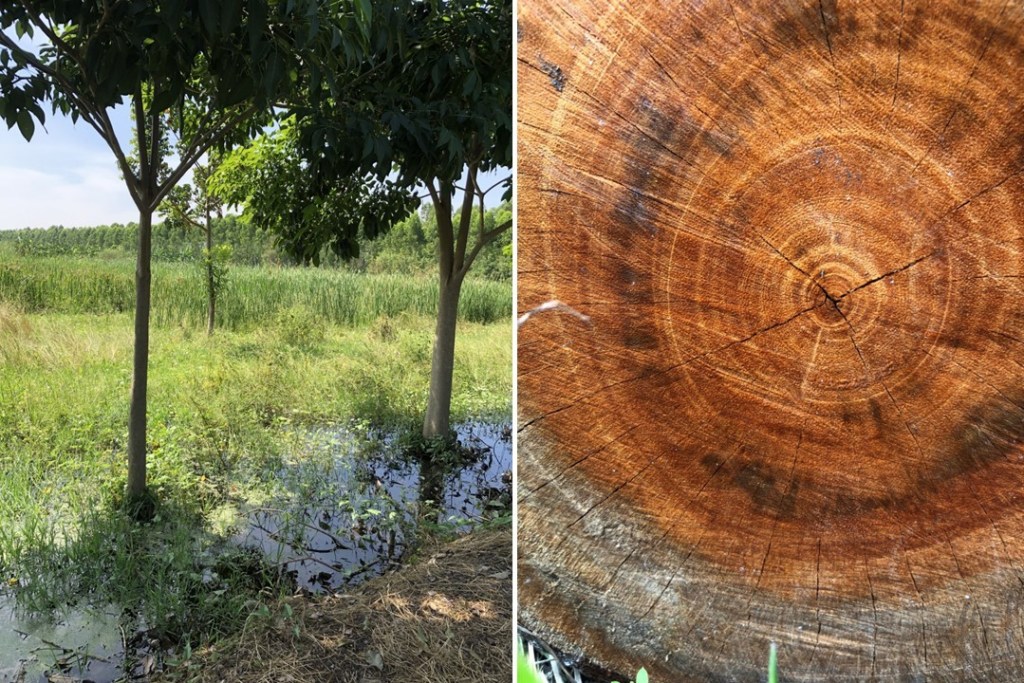
This year we invested in landscape modification using Khok Nong Na (ridge-pond-rice field) approach and in the water circulation system for internal irrigation. The microclimate here has changed and both the ecosystems and the production yield of chemical-free fresh produces, if not organically-certified yet, look promising.
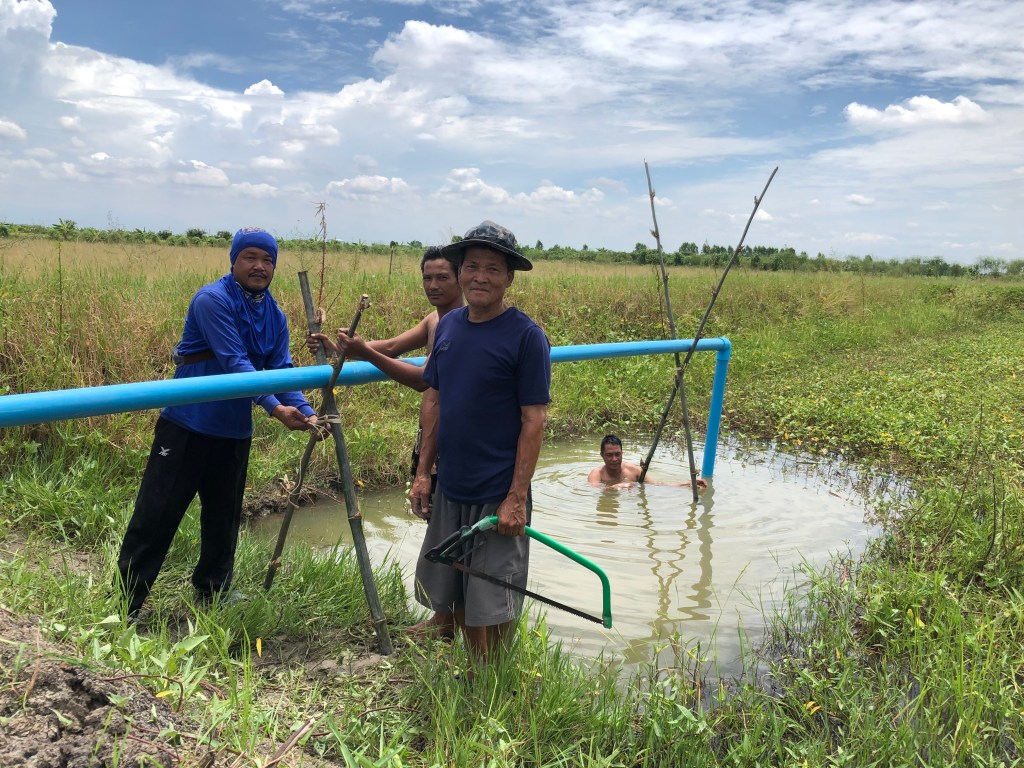
As someone with experience in the midstream section of the agri-food business, this BTLLAgroforestry project is one of the climate solutions that could be scalable and affordable against the climate crisis at the citizen level. Each of us can do our bit in any part of the world.
Lessons learned from our site, especially on the transitional process, can help determine what, when, and how much the farmers or the landowners need to transform their land and practice cultivating agricultural produces sustainably – the actual cost of food production, especially when they are in the water-retention area.

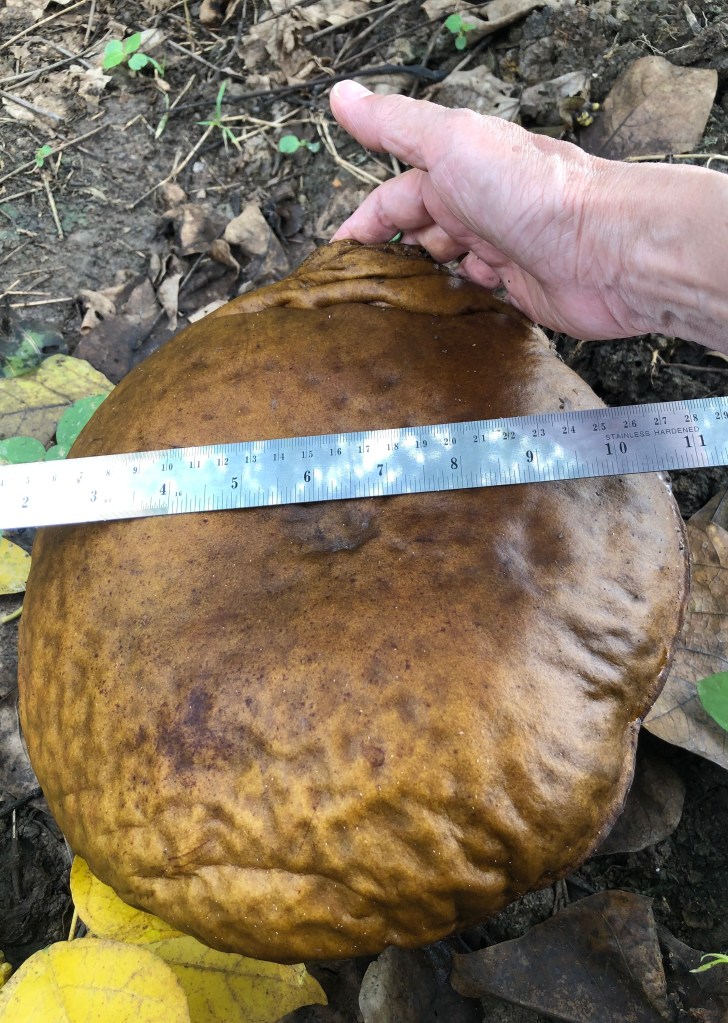
After six and a half years with the natural process of restoration intervened by agroforestry practice, we are happy to see the comebacks of native species, especially the golden Bolete mushroom Thaeogyroporus porentosus (เห็ดตับเต่า) that have not been seen for decades. Its presence suggests the changes in soil microbiome that we are looking for as an indicator for the efficacy of our ecosystem restoration.
At this stage, we are also looking for a partnership with private entities who believe in the nexus of food, health, ecology, and society, the togetherness to restore a better environment to produce healthier and safer foods for a better livelihood for people around the wetlands
Discover more from À Table! e-Magazine นิตยสารออนไลน์ ครัวของคุณ
Subscribe to get the latest posts sent to your email.

 À Table! e-Magazine นิตยสารออนไลน์ ครัวของคุณ