

ในบ้านหลังหนึ่งย่านพญาไทในกรุงเทพมหานคร มีครอบครัวสามรุ่นที่ใช้ครัวเป็นศูนย์กลางของชีวิต ไม่ใช่แค่เพื่อกินให้อิ่ม แต่เพื่ออยู่ร่วมกันอย่างเข้าใจ
แม่ชื่อพิม เป็นครูสอนภาษาฝรั่งเศสที่รักการจัดอาหารพอ ๆ กับการสอนคำว่า équilibre — ความสมดุล พ่อปั้งเป็นหมอผ่าตัดที่ออกจากบ้านตั้งแต่หกโมงเช้า กินครัวซองต์หรือขนมปังกับไข่ดาวและกาแฟดำทุกวัน เด็กชายภูมิเลือกกินเฉพาะสิ่งที่เขาชอบ และคุณย่าวัย 70 ปี ต้องการอาหารที่ย่อยง่าย ไม่เผ็ด ไม่มัน
พิมไม่ได้เป็นนักโภชนาการ แต่เธอจัดอาหารให้ครบทุกวัยทุกวัน เธอใช้หลัก Mediterranean diet ที่ปรับให้เข้ากับวัตถุดิบไทย เธอใช้ข้าวกล้องแทนขนมปัง ปลาอินทรีย์แทนปลาซาร์ดีน น้ำพริกมะเขือเทศแทนน้ำสลัดบัลซามิก และเต้าหู้แทนชีสนมแพะ เธอไม่ได้วัดแคลอรีทุกคำ แต่เธอมี dashboard ที่บันทึกว่าใครได้โปรตีนครบ ใครขาดไฟเบอร์ และใครเสี่ยงต่อโรคไม่ติดต่อชนิดเรื้อรังหรือโรค NCDs เธอไม่ได้ซื้อของตามโปรโมชั่น แต่ตามเมนูที่เธอจัดให้คนในบ้าน เธอไม่ได้ปลูกผักเพื่อความสวยงาม แต่เพื่อให้ลูกยอมกินผักในพิซซ่าหน้าผักโขม
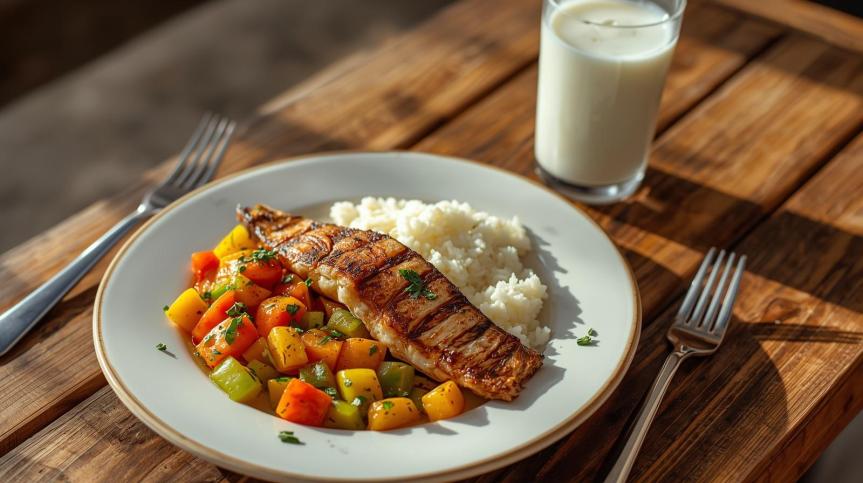
ทุกเมนูที่พิมจัด มีที่มาจากชีวิตจริง และทุกวัตถุดิบที่เธอเลือก มีเหตุผลที่เชื่อมโยงกับคนที่เธอรัก
In a house tucked away in Phaya Thai, Bangkok, three generations gather around the kitchen—not just to eat, but to live together with understanding.
The mother, Pimm, is a French teacher who loves planning meals as much as she loves teaching the word équilibre—balance. The father is a surgeon who leaves home at six every morning, eating croissants or toast with fried eggs and black coffee. Their school-aged son eats only what he likes, and the grandmother needs food that’s easy to digest—not spicy, not oily.
Pimm isn’t a nutritionist, but she prepares meals that suit every age, every day. She follows the Mediterranean diet, adapted to Thai ingredients: brown rice instead of bread, local fish instead of sardines, chilli tomato relish instead of balsamic vinaigrette, and tofu instead of goat cheese. She doesn’t count every calorie, but she keeps a dashboard that tracks who gets enough protein, who lacks fibre, and who’s at risk of chronic diseases like NCDs.
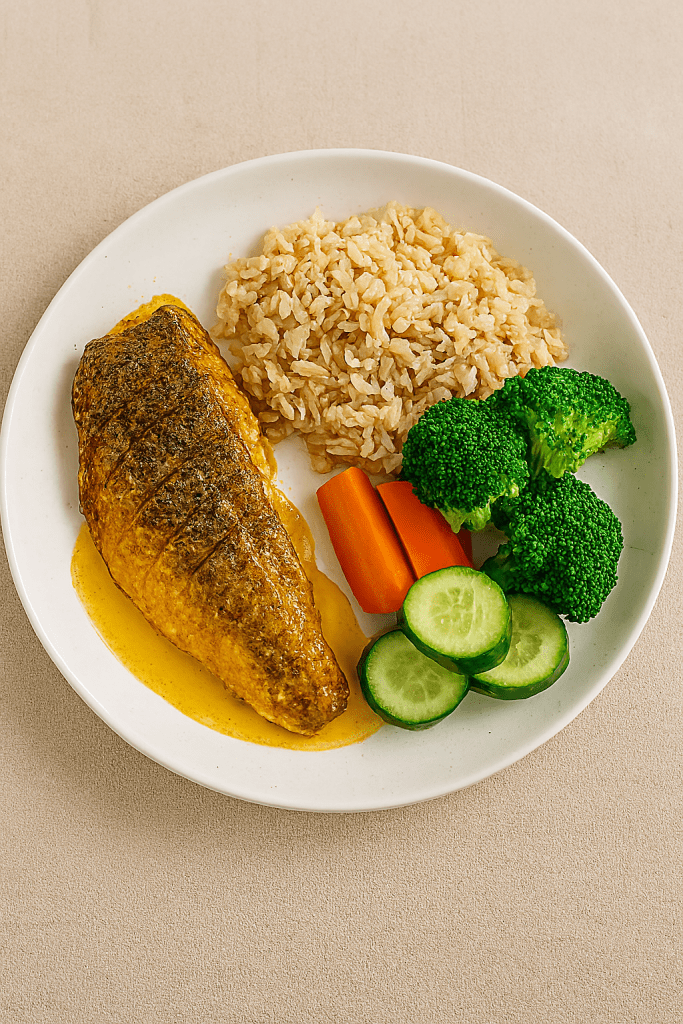
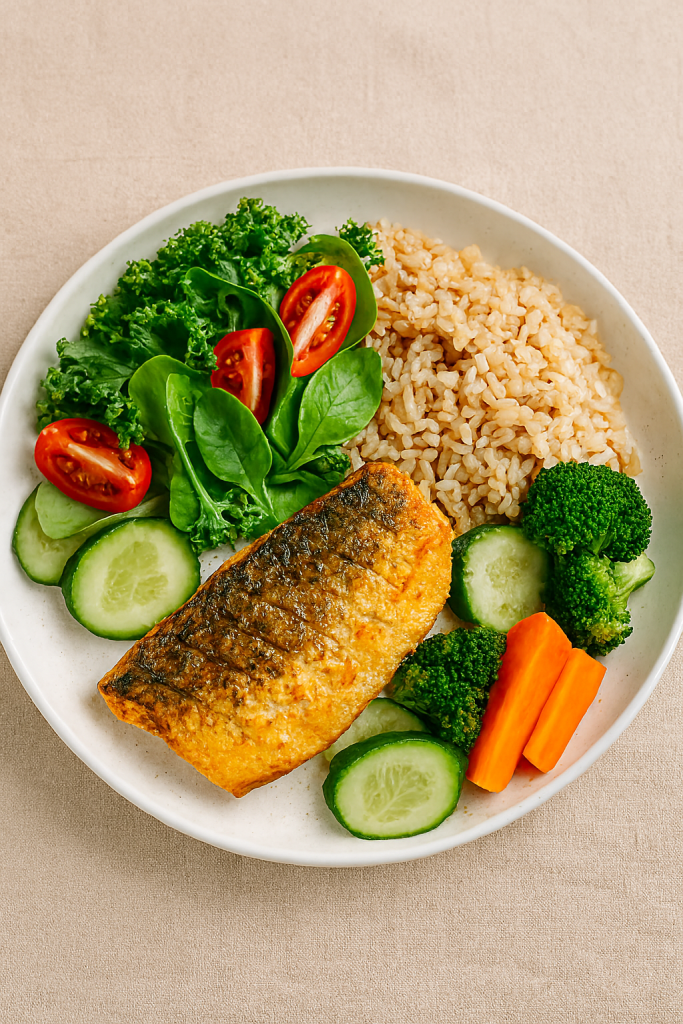

Portions for Pimm’s husband, Pimm, and their son, illustrating a 2-1-1 concept of vegetables, protein sources, and carbohydrate sources.
She doesn’t shop based on promotions, but based on the menus she designs for her family. She doesn’t grow vegetables for beauty, but to help her child accept spinach—hidden in pizza. Every dish Pimm prepares comes from real life. And every ingredient she chooses is connected to someone she deeply loves.
 À Table! e-Magazine นิตยสารออนไลน์ ครัวของคุณ